


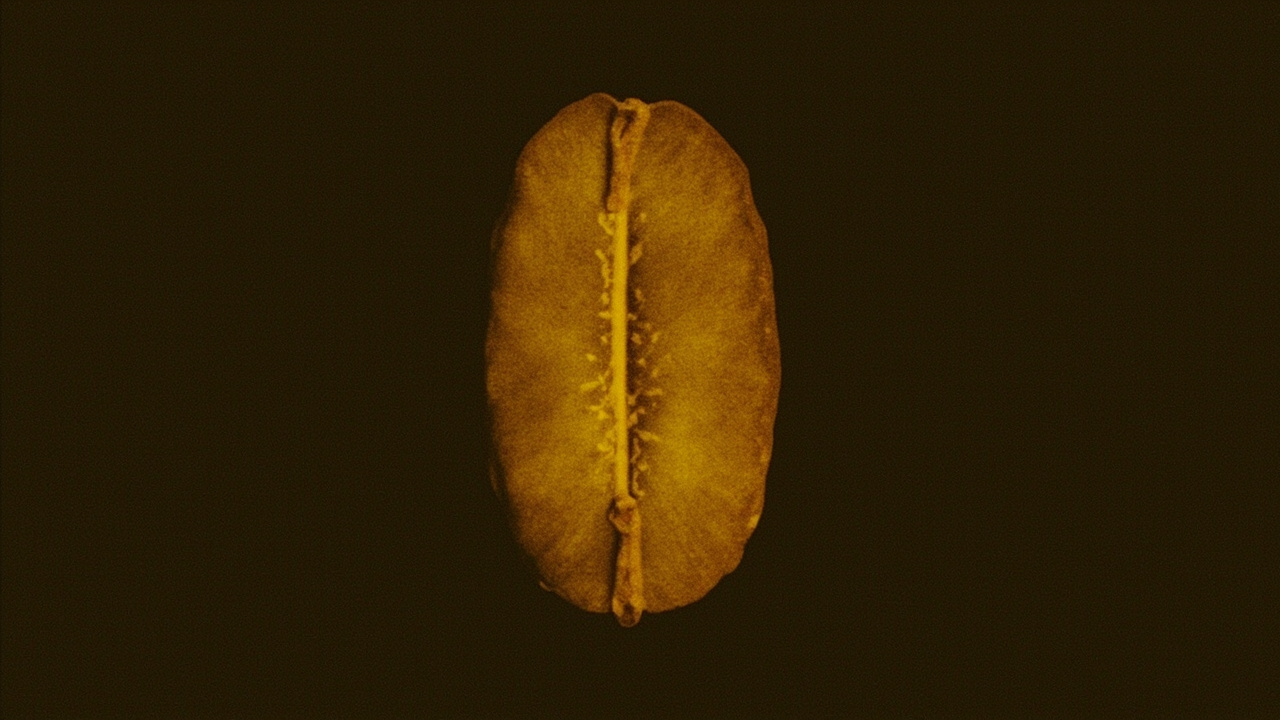
Digestion Transformation is one of the four Variables in Human Design.
Digestion Transformation in Human Design: How Your Body Actually Wants to Eat
In Human Design, the Digestion Transformation is one of the four pieces of the Variable—the layer of your chart that tells you how your body-mind is wired to interact with the physical world. Where most nutrition advice treats digestion as a generic mechanical process, the Variable reveals that your gut has a distinct operating system, and using the wrong one creates friction, bloating, fatigue, and the slow drift toward "I just don't feel right in my body."
What the Digestion Transformation Is
The Variable has two directions: Conceiving (Left, Reflecting) and Destroying (Right, Projecting). The Digestion Transformation reveals which one your body uses to break down and use food. This is part of the Primary Health System, and it's personal—so personal that without an exact birth time, you cannot determine it. It's calculated through the relationship between your birth sun and the location of the solar change in the 88 days before or after you were born.
If you don't have a precise birth time, this is worth tracking down. The Digestion Transformation is a foundational key to your physical well-being, and getting it wrong means applying nutrition strategy that subtly works against you.
Conceiving Digestion: Eat the Impulse
Conceiving digesters are impulse eaters, and this is a feature, not a flaw. Their appetite wakes up in the moment, usually triggered by taste, smell, or visual appeal. They do best when they follow what looks good right now, without overthinking it.
The gift here is freshness and responsiveness—the body knows what it needs in real time and the appetite is a trustworthy compass. The shadow shows up when the Conceiving digester starts following external rules: eating at prescribed times, force-feeding themselves to meet macro targets, or overriding their appetite out of guilt. The result is sluggish digestion, water retention, and that familiar "I ate the right thing and still feel heavy" sensation.
Practical guidance: Honor cravings at the moment they appear, but build your environment so the available choices are good ones. If nothing appealing is around, you may end up skipping the meal entirely—and that's fine. A Conceiving digester who eats what they truly want, when they truly want it, will generally eat less overall and extract more nourishment.
Destroying Digestion: Eat the Activity
Destroying digesters operate on a completely different signal. They are often not hungry in the conventional sense, and hunger—if and when it comes—arrives in unpredictable waves. Their digestion is built to convert food into usable energy for what they're about to do. The body doesn't ask "what should I eat?" It asks "what do I need to perform?"
The gift is efficiency: food becomes fuel with minimal waste, and the Destroying digester can sustain intense output when they eat with intention. The shadow emerges when they eat on autopilot, graze through meetings, or skip meals because no one reminded them. They end up running on fumes, blaming their willpower, when really their eating system was never set up to send "eat now" pings in the usual way.
Practical guidance: Tie meals to activity. Before exercise, work, or focused output, eat something substantial. Keep protein and complex carbohydrates accessible. Don't wait for hunger—track it instead, because once Destroying digesters do feel hungry, the body is already in a deficit.
Living the Right Way for Your Gut
The single biggest mistake people make is borrowing someone else's eating strategy. The Variable's promise is that your biology is not a one-size-fits-all machine, and the Digestion Transformation is where that truth becomes edible. A Conceiving digester who tries to eat like a Destroying digester (or vice versa) will spend years thinking they have a "bad metabolism" when they actually have an unacknowledged one.
Start by noticing what your body has been telling you all along. The appetite, the timing, the cravings—they're not random, and they're not weakness. They're your design, finally being read correctly.