


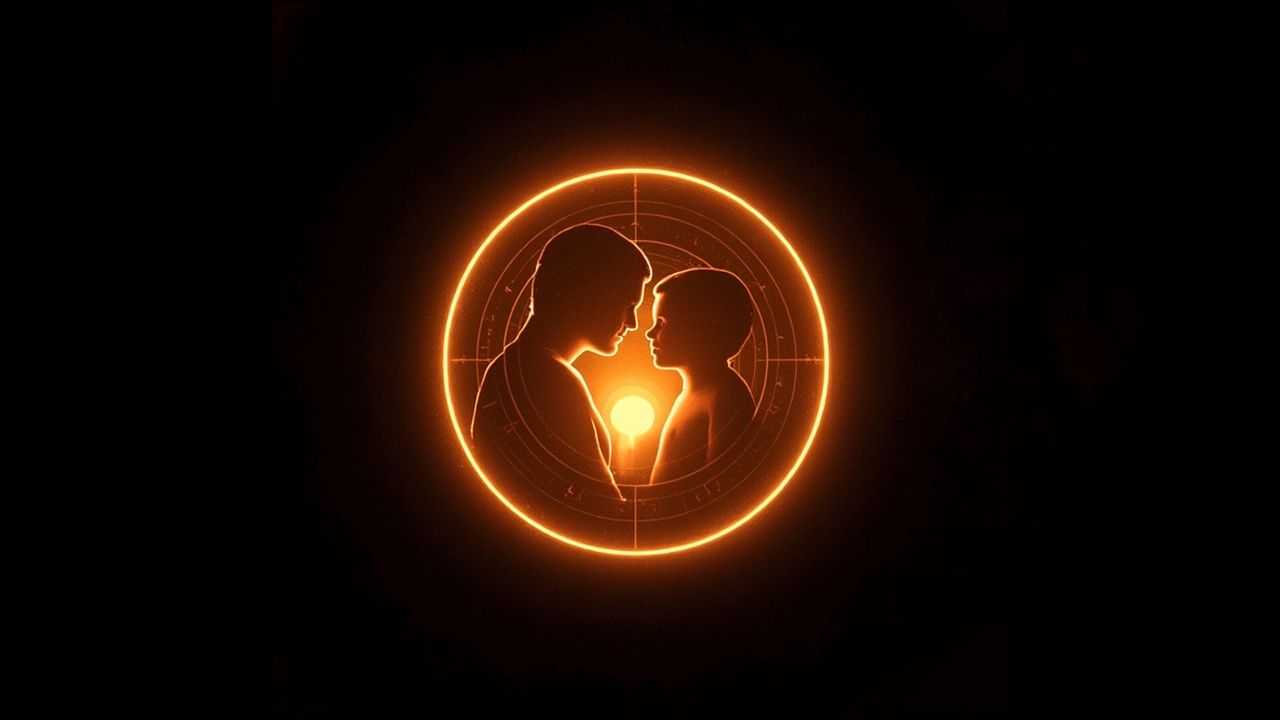
The Sphinx is a guardian of mysteries, and the Right Angle Cross of the Sphinx (1) carries that same archetypal energy into the personal destiny of the individu
The Right Angle Cross of the Sphinx (1)
The Sphinx is a guardian of mysteries, and the Right Angle Cross of the Sphinx (1) carries that same archetypal energy into the personal destiny of the individual. This is a Right Angle Cross, which means the purpose of this incarnation is fundamentally personal — the lessons, gifts, and evolutionary direction belong to the self. There is no transpersonal karmic weight being passed on; this is your own mystery to live into.
The Four Gates of the Sphinx
This cross is held together by four specific gates, each contributing a distinct flavor to the whole:
- Gate 13 — The Listener (Personality Sun): The magnetic capacity to hold the secrets, stories, and unspoken truths of others. Gate 13 is the keeper of memory, history, and the things people dare not say out loud.
- Gate 7 — The Role of the Self in Interaction (Personality Earth): The self-appointed leader. Gate 7 carries the gift of wearing many hats and stepping into roles in service of the moment, often before anyone else volunteers.
- Gate 1 — The Creative (Design Sun): The impulse toward original self-expression. Gate 1 is the creative seed, the "I am" that wants to be seen and heard in its own unique way.
- Gate 10 — The Behavior of the Self (Design Earth): The integrity of walking one's talk. Gate 10 embodies the dignity of love, conduct, and self-regulation, often tested by the "no one believes me" martyrdom frequency.
The Life Theme
The theme here is the mystery of the listener who knows. People are drawn to this cross the way travelers were drawn to the Sphinx — to confess, to confide, to share what they cannot share elsewhere. There is an unspoken promise in the aura of the Sphinx (1): tell me, and I will hold it. This is the core identity, not a job or a role but a way of being in the world.
Because this is a Right Angle Cross, the theme is not to fix anyone, save anyone, or transmit hidden knowledge outward in grand fashion. The destiny is more intimate. The Sphinx (1) is here to develop the capacity to listen well, to refine what is heard, and to live with the inner weight of what others entrust.
How the Purpose Unfolds
The purpose moves through cycles of attraction, reception, and expression. Others come to this person with their secrets. The Sphinx listens. Over time, the question becomes: what is it that I do with what I hold? Gate 1 (Creative) and Gate 10 (Behavior) are both in the G Center, meaning self-expression and integrity are the doorway. The Sphinx (1) is not meant to hoard secrets out of fear, nor to spill them carelessly. The path is to develop a discerning voice — a way to transform what has been heard into one's own creative output, lived behavior, or quiet wisdom.
It unfolds slowly. Trust is built over a lifetime. The first half of life often feels heavy with the weight of others' stories; the second half is when the Sphinx begins to understand why they were chosen to listen.
Gifts
- A magnetic, trustworthy presence
- Deep memory and a love of history
- Creative originality, especially in transforming hidden material into form
- Self-authority and authenticity (when Gate 10 is embodied)
- Leadership that emerges naturally, not by appointment
Challenges
- The temptation to become a dumping ground, or to use others' secrets manipulatively
- Isolation — feeling separate because one knows too much
- Creative blocks when Gate 1 feels suppressed or unheard
- The martyrdom of Gate 10: carrying behavior that is misinterpreted or disbelieved
- Difficulty knowing which secrets to keep and which to release
Practical Living
Live the cross by listening without storing everything as identity. Practice discernment about what is yours to carry and what is not. Honor the creative impulse — write, make, build, speak. The Sphinx (1) needs an outlet or the listening becomes poison. Develop a daily practice that empties the mind: meditation, walking, or simply silence. Build relationships slowly, and let the trust come to you rather than pursuing it. Above all, trust the slow unfolding. This is a personal destiny, not a public performance, and the mysteries entrusted to you are not yours to rush.