


A multi-generational home is a small village under one roof. You might have a Generator grandmother with a defined Root center, a Projector mother with an open
Raising Kids in Multi-Generational Homes Without Conflict
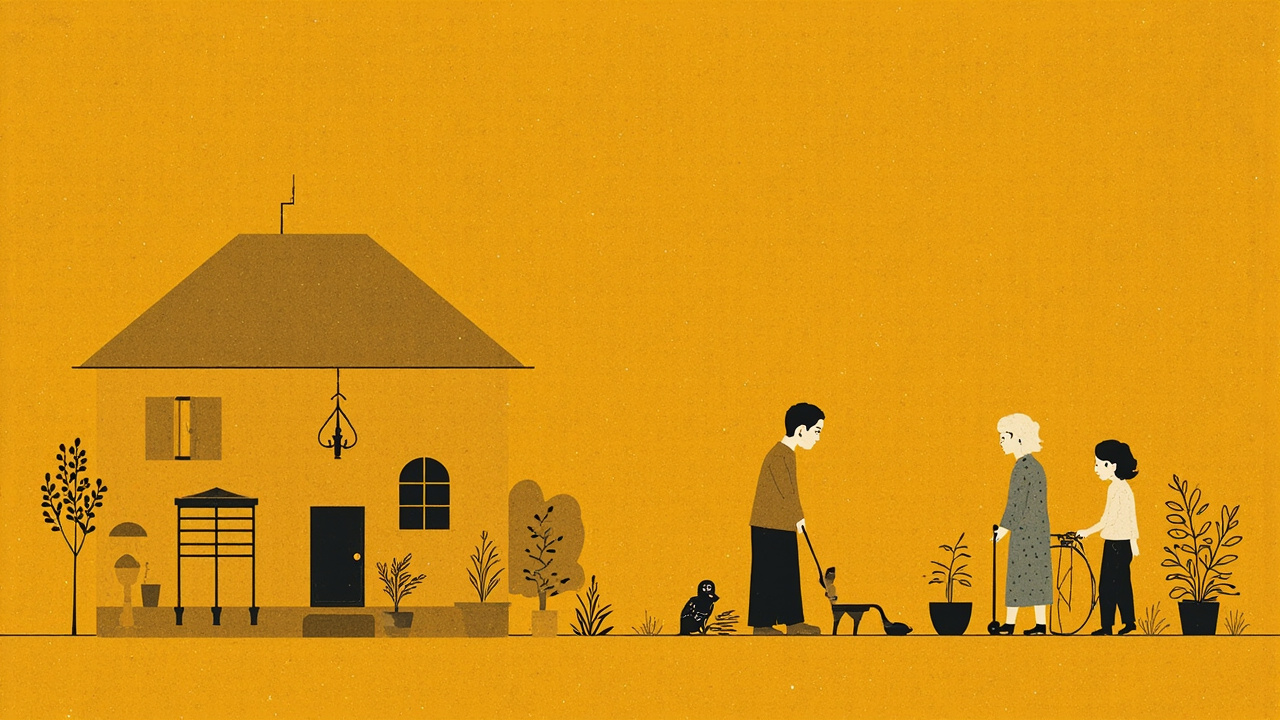
A multi-generational home is a small village under one roof. You might have a Generator grandmother with a defined Root center, a Projector mother with an open Ajna, a Manifesting Generator father, a Manifestor teenager, and a three-year-old Reflector absorbing everything in sight. The potential for conflict isn't personal. It's mechanical. When three or more bodies with different strategies, authorities, and open centers share space, friction is not a sign of failure. It's a sign of mismatched mechanics.
The remedy is not more communication workshops or stricter family rules. It's honoring Human Design so the household can run the way the bodygraph intended.
Reading the Family as a Bodygraph
Every household has its own energetic signature. You can see it in the way a Sunday morning unfolds without anyone speaking: who cooks, who wanders, who initiates, who waits to be asked. These are not personality traits. They are the strategies of Type playing out in shared space.
When you stop expecting your open-Emotional child to make steady decisions like your Emotional-defined partner, you stop interpreting their inconsistency as disrespect. When you stop taking your Generator father-in-law's sacral "uh-huh" as agreement when it was only a response, you stop building resentment on misunderstanding.
The first layer of peace in a multi-gen home is learning to read the bodygraphs of the people you live with—not to label them, but to meet them where their mechanics actually operate.
Strategy Is the First Language of Respect
Strategy is how a person's aura moves through the world. In a multi-gen home, strategies collide constantly, and most conflict is strategy-clash, not character-clash.
Generators and Manifesting Generators need to respond. When a grandmother asks her Manifesting Generator grandson, "What do you want for dinner?" and he immediately says "pizza," she feels dismissed. The truth is, the open question didn't reach his strategy. If she had offered two options—"pasta or pizza?"—he would have responded, and both of them would have felt met.
Projectors need to be invited into decisions, especially about the children. A Projector parent left out of bedtime planning by a Generator grandparent isn't being stubborn. Their aura is not built to grab. When they are invited, they often see the most efficient path through chaos.
Manifestors need to inform. A teenage Manifestor who announces a plan rather than asking for permission is not being rude. They are running their strategy. When a parent can hear "I am informing you, not rejecting you," the house breathes.
Reflectors need to sample. A Reflector child who changes preferences, friends, and moods in a single week is not unstable. They are sampling the lunar cycle. A multi-gen home that gives a Reflector child a full lunar month to feel a place creates a sanctuary instead of a stage.
Authorities: The Inside-Out Decision Tree
Authority is the body's way of knowing. Multi-gen homes often house every authority under one roof, and the friction comes from one authority overriding another.
An Emotional-defined grandparent making decisions in the moment creates waves for everyone, because they haven't actually decided yet. They are still in the emotional wave. A Splenic-defined parent who knows in an instant feels pressured by the emotional pause. The conflict isn't about the decision. It's about two different inner clocks trying to sync.
The trick is to make authority visible without making it identity. "I need to sleep on this" from an Emotional grandmother is not weakness. It is correct mechanics. A Splenic father who says, "I already know" is not arrogant. He is honoring his body's instant knowing. When the household learns which inner authority each person uses, decisions stop being a power struggle and start being a relay race.
Open Centers in Children: The Amplifiers No One Sees
Children in multi-gen homes often have undefined centers that turn them into amplifiers. An open Head child takes in and amplifies the mental pressure of the whole household. An open Ajna child hears everyone's opinions as their own thoughts. An open G child becomes a shape-shifter, trying to be whoever they're with.
This is where most family conflict hides. The open-G child "lies" about what they want. The open-Ajna child "changes their mind" constantly. The open-Spleen child gets sick every time the family gets stressed.
These are not flaws. They are open centers sampling. The household that names this—gently, without shame—gives the child a tool. "You have an open G, which means you taste everyone's direction. You don't have to pick one today. You can just notice who's direction you're tasting right now."
Practical Rhythms by Type
Type also informs the daily rhythms that prevent friction. Generators need to use their sacral energy, eat well, and sleep deeply. Multi-gen homes that push a Generator grandparent into a restful routine they didn't respond to will see burnout. Projectors need rest and recognition—being seen for their wisdom before being asked to give it. Manifestors need a peaceful bedroom and freedom to initiate their own morning. Reflectors need lunar awareness, surprise, and slow mornings without pressure to perform.
When the household rhythms are designed around Type, energy stops leaking into resentment.
The Family as One Body
In a multi-generational home, the bodygraph is collective. A defined channel in one person can support the whole family. An open channel in a child can pull the household into wisdom or confusion, depending on what the adults amplify.
The home that studies itself—who has which defined center, who amplifies what, who needs which rhythm—becomes a single body with many organs. Conflict doesn't disappear. It becomes information. And information, in Human Design, is the beginning of right action.