


The Emotional Wave Center (also called the Solar Plexus Center) is the place in your chart where the wave lives. It is the only center designed to operate in mo
Lighting Design Tips for the Emotional Wave Center at Home
The Emotional Wave Center (also called the Solar Plexus Center) is the place in your chart where the wave lives. It is the only center designed to operate in motion — rising into hope and dropping into grief, looping through the day, the week, the relationship, the season. When you have a defined Solar Plexus, that wave is yours, consistent, your own emotional weather system. When it is open, the wave is borrowed — you amplify everyone in the room and lose track of which feelings are actually yours.
Either way, your home either rides the wave with you or fights it. Lighting is the fastest lever to pull.
Why Light Hits the Wave So Directly
The Emotional Wave is intimately tied to the nervous system and the breath. Light regulates melatonin, cortisol, and the autonomic nervous system — the exact systems that carry the wave through the body. Harsh overhead lighting flattens the wave into anxiety. Soft, layered lighting lets the wave move without spiking it. The goal of designing lighting for this center is not to dim your feelings. It is to give them a room where they can move safely.
Curious if this is in YOUR chart? Calculate your free Human Design.
Calculate your chartLayer the Light, Do Not Stack It
The single biggest mistake people make is one ceiling fixture in the middle of the room, blasting down. For emotional support, every space needs at least three light sources at different heights and intensities.
- A low source: a floor lamp, a salt lamp, a small table lamp.
- A mid source: sconces, picture lights, a counter lamp.
- A high, indirect source: uplighting, a cove light, a fixture that throws to the ceiling.
This lets you tune the room to the wave. In the trough, you raise the indirect layer. In the crest, you lower everything. You are not chasing a mood — you are giving the wave a container.
Honor the Diurnal Rhythm
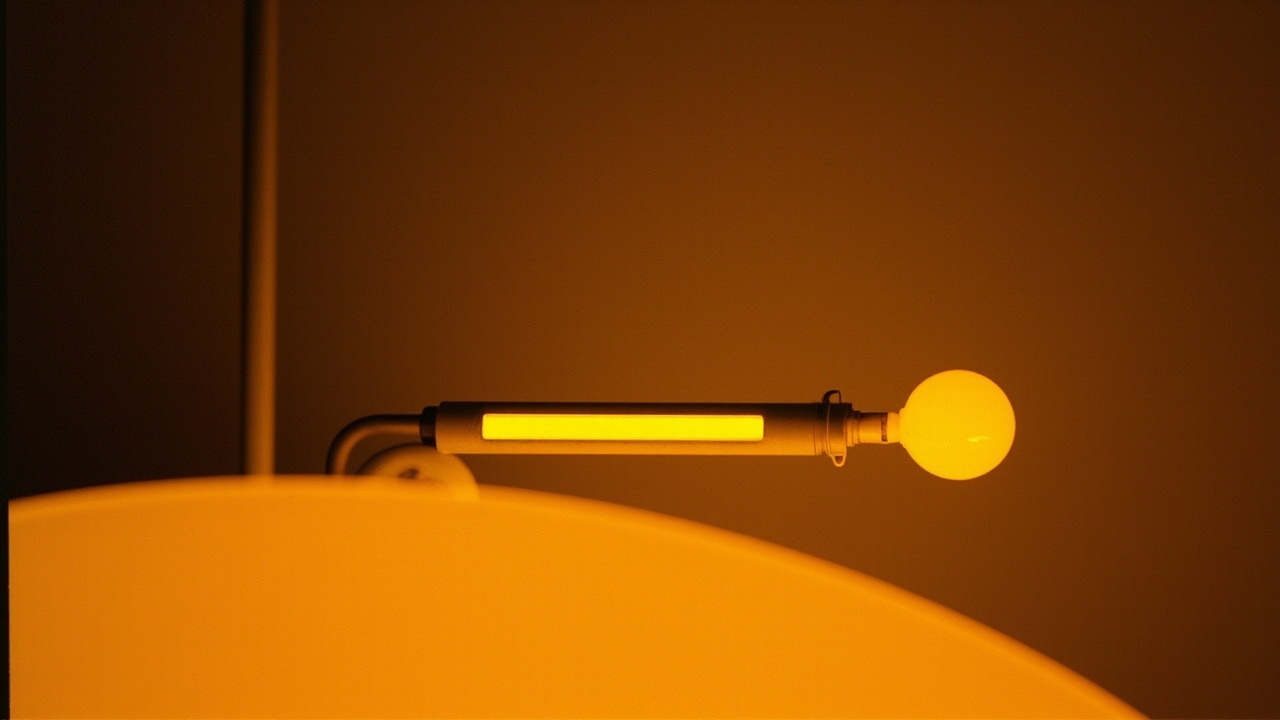
The Emotional Wave mirrors natural light cycles. Mornings want brightness that warms, not the blue glare of a screen or a cool 5000K bulb. Evenings want amber, low, candlelight range — 1800 to 2400 Kelvin. Night wants near-dark, with just enough warm light to ground the room.
For open Solar Plexus especially, late evening is when borrowed emotions peak. Bright, cold, or stimulating light after sunset keeps the borrowed wave in your body long after the people who brought it have left. Dim, warm, indirect light is the signal to the nervous system that the wave is allowed to settle.
Color Temperature Is Your First Tool
Color temperature is more emotionally powerful than wall color. A room painted lavender under cool white light feels clinical. The same lavender under 2200K light feels like a held breath.
Use these as a starting point:
- 2200 to 2400K for bedrooms, reading nooks, anywhere you process
- 2700K for living rooms and general evening spaces
- 3000K for kitchens and active morning spaces
- Avoid anything over 3500K in spaces where you feel your feelings
Color and Texture Move Together
The Emotional Wave Center is not just a light center. It is a felt-sense center. Light touches it, and so does everything the light lands on.
Choose materials that absorb light softly: limewash, plaster, raw wood, brushed brass, linen, wool, velvet. Skip high-gloss surfaces, hard plastics, and chrome in your emotional rooms — they bounce light back aggressively and read as cold. The wave responds to surfaces that feel forgiving, that take in the light instead of throwing it.
For color, lean into the long wavelength end of the spectrum: ochre, terracotta, deep rose, warm sage, dusk blue. These are the colors of the wave itself — the sky at the edge of day.
Build a "Wave Room"
Every home needs a small dedicated space that exists purely to hold the wave. It does not need to be large — a corner, a chair by a window, a bench in a hallway. What it needs:
- One source of warm, low light you can control independently from the rest of the house
- Soft, generous texture under and around you
- A line of sight to something living — a plant, a view, water
- Nothing that demands performance. No desk, no mirror you have to face into, no screens as the focal point
This is where the wave goes when it needs to crest or trough without an audience. For defined Solar Plexus, it is the place to ride the wave. For open Solar Plexus, it is the place to put the wave down.
Breath, Air, and Light as One System
Because the Solar Plexus is also the breath center, the air in the room matters as much as the light. Stagnant, still, overheated air thickens the wave. Cool, moving air — a ceiling fan on low, an open window, a quiet air purifier — keeps the wave mobile. Pair this with lighting that flickers gently, like a candle or a salt lamp, and the room becomes a place the breath itself can settle into.
A Simple Starting Move
If you do nothing else, swap the bulbs in your bedroom and the room where you sit at the end of the day. Replace anything above 3000K with 2200K dimmable bulbs. Add one warm low light source to each emotional room. Turn off the overheads.
The wave will tell you, within a week, that it has been heard.