


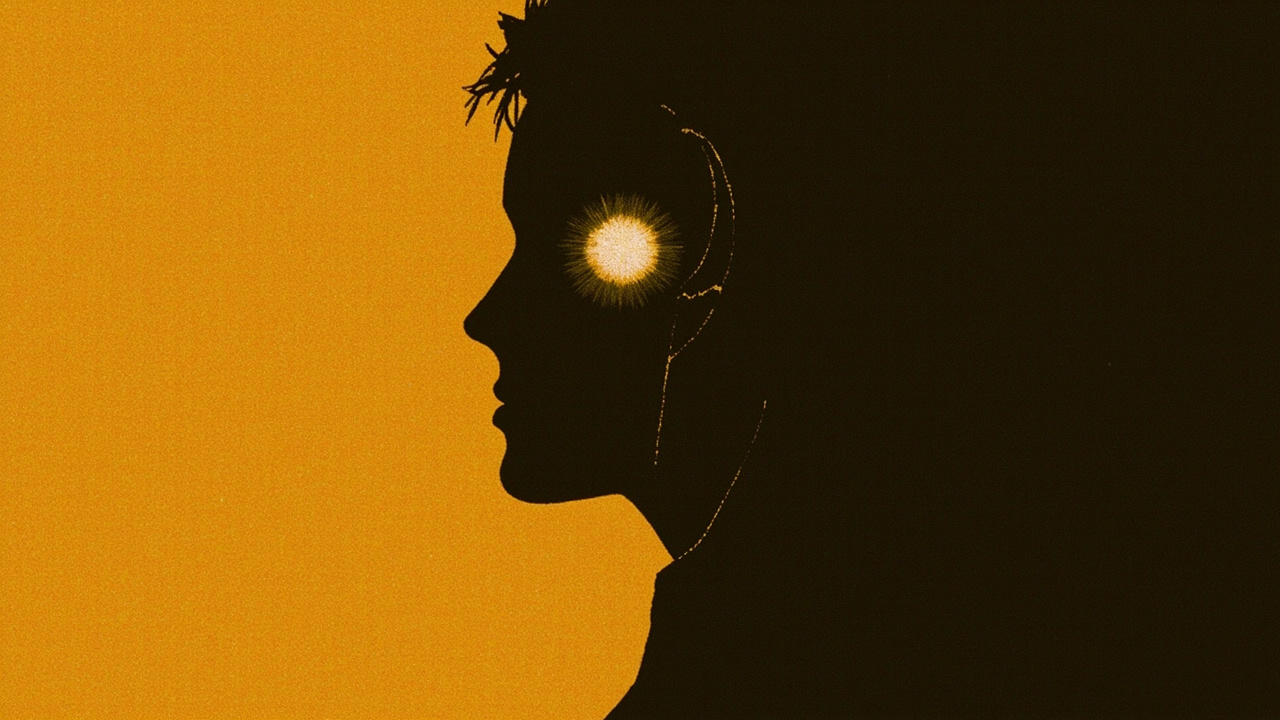
Humphrey Bogart remains one of cinema's most recognizable faces, a figure whose clipped delivery, weary gaze, and quiet intensity came to define a certain kind
Humphrey Bogart's Human Design: Generator 4/6
Humphrey Bogart remains one of cinema's most recognizable faces, a figure whose clipped delivery, weary gaze, and quiet intensity came to define a certain kind of American masculinity. Reading him through the lens of Human Design offers an interesting perspective on why his on-screen presence felt so magnetic and, in many ways, so different from the leading men around him.
The Generator: Built to Respond, Not to Initiate
As a Generator, Bogart's design points to a being with sustained, sacral life-force energy. Generators make up roughly 70% of the population, and their strategy is simple but often counterintuitive: respond rather than initiate. Instead of chasing opportunities, the Generator's power lies in their ability to recognize the right ones when life brings them forward, and then pour their considerable energy into the work.
Curious if this is in YOUR chart? Calculate your free Human Design.
Calculate your chartIn Bogart's career, this shows up in a recognizable way. He didn't burst onto the scene as a leading man. He worked steadily in theater and bit parts for years, often as a villain or supporting player. His big breaks — The Petrified Forest, The Maltese Falcon, Casablanca — came to him through relationships, through being seen by directors and producers who recognized what he could offer. Rather than demanding to be the star, Bogart built his foundation through response after response, and his sacral energy compounded over time into the kind of authoritative presence that makes a screen feel smaller just by his being in it.
Sacral Authority: A Body That Knows
With Sacral Authority, decisions are felt in the gut — a "yes" that hums in the belly, a "no" that tightens it. This isn't head logic; it's the body's instantaneous response to what's in front of it. For an actor, this kind of authority is especially interesting because acting is, at its best, a practice of embodied response rather than intellectual performance.
Bogart famously didn't intellectualize his roles. He brought an instinctual, almost reluctant quality to his characters, as if he was discovering them in the moment of doing rather than constructing them in advance. You can see Sacral Authority in the way he held a line, in the timing of his pauses, in the economy of his gestures. The body was leading.
The 4/6 Profile: Opportunist and Role Model
The 4/6 Profile is sometimes called the "Opportunist / Role Model," and it carries a fascinating two-act structure. The 4th line is about connection, networks, and an inner circle of trusted people. The 6th line brings an objective, almost removed quality — a perspective shaped by experience, eventually radiating a kind of wisdom others look up to.
In Bogart's case, the 4th-line energy shows up in the tight creative circles he moved through. His collaborations with John Huston, his marriages and creative partnerships with Mayo Methot and later Lauren Bacall, and his loyalty to a small group of co-stars and crew all reflect a Generator who built his world through close bonds rather than broad networking.
The 6th line then takes over later in life. As Bogart aged into roles like The African Queen and Sabrina, he transitioned from character actor to something more archetypal — the grizzled, knowing figure who has clearly lived. Many 6th-line individuals spend their younger years testing and experimenting before settling into the role of the one who has "been there." Bogart's late-career iconography — the cigarette, the hat, the voice — became a kind of universal shorthand for a particular kind of hard-won wisdom.
A Generator's Legacy
Taken together, Bogart's chart paints a picture of a man whose power wasn't loud. It was responsive, embodied, relational, and rooted in a long arc of building. The Generator who waits, the sacral gut that knows, the 4/6 who gathers a circle and eventually becomes its elder — these are the energies that, by Human Design's lens, may have shaped the slow burn of a career that became unforgettable.