


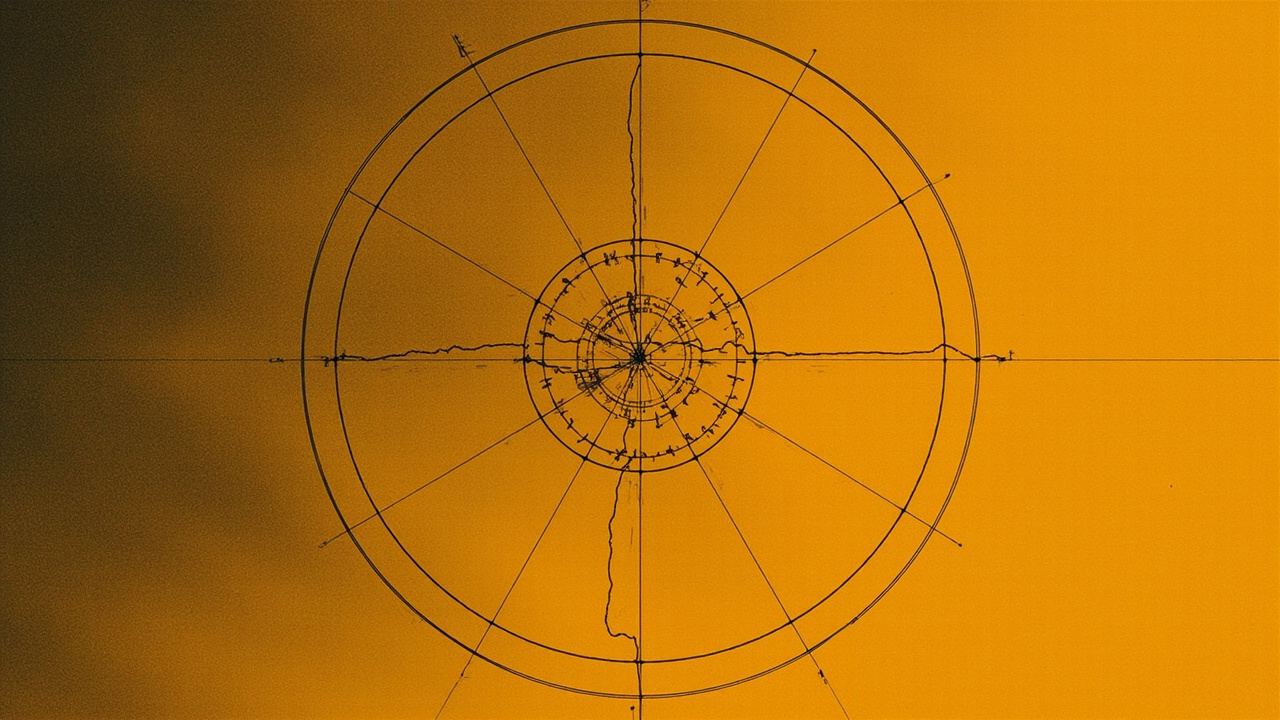
Every family has an invisible architecture—a way that decisions flow, who leads in certain areas, and how energy moves between members. The Authority Wheel is a
How to Use the Authority Wheel to Map Family Dynamics
Understanding the Authority Wheel in Your Family System
Every family has an invisible architecture—a way that decisions flow, who leads in certain areas, and how energy moves between members. The Authority Wheel is a powerful mapping tool from Human Design that makes this hidden structure visible. When you understand your family's authority dynamics, parenting becomes less about control and more about alignment. You're able to see where your children naturally thrive with autonomy and where they genuinely need guidance.
The wheel visualizes how different decision-making authorities interact within your household. Each person in your family has a specific way of knowing what's right for them—not a better or worse way, just a different design. When you map these authorities together, patterns emerge that explain why certain tensions keep repeating and why some children respond to one parenting approach while siblings need something entirely different.
Curious if this is in YOUR chart? Calculate your free Human Design.
Calculate your chartThe Four Primary Authorities and What They Mean for Your Children
Emotional Authority operates on a wave. Children and adults with this authority need time to feel their way through decisions. You'll notice your child processing out loud, cycling through feelings before they land on what feels right. For these children, pushing for immediate answers creates anxiety and regret. Your job as a parent is to give them space to complete their emotional cycle before expecting commitment.
Sacral Authority responds with a deep, life-affirming energy. When a child with this authority says "uh-huh" or "nah," they're accessing an incredibly reliable compass. These children often seem to "just know" what they want—or don't. They struggle when over-explained to or when decisions feel forced. Trust their gut responses, even when they can't articulate the "why."
Splenic Authority is instinctual and immediate. Children with this authority make fast, intuitive decisions based on present-moment awareness. They often know things they can't explain. This authority can feel unreliable to logical thinkers, but it's remarkably accurate when trusted. These children need you to respect their gut feelings, even when those feelings seem irrational.
Projected Authority describes children who aren't meant to make decisions independently in certain areas—they shine when invited to share their wisdom, but resist being pushed into leadership they didn't ask for. Recognizing this in your child prevents forcing roles that create resentment and burnout.
Reading Your Family's Wheel
When you map your family's authorities together, notice where they align and where they create friction. A household with multiple Sacral-authority children might experience power struggles around shared decisions—one child's "yes" contradicts another's. A parent with Emotional Authority living with Splenic Authority children will face communication challenges, since one processes slowly and the other moves quickly.
The wheel also reveals where authority should naturally flow. In healthy family systems, certain members lead in certain domains—not out of control, but out of correctness. A child with strong Splenic intuition about safety might naturally lead on outings. A Sacral child might lead on energy, signaling when the family needs play versus rest. When each person holds their correct position, the system hums.
Misalignments show up as chronic stress. If you've been trying to force logical explanations on an emotional child, frustration builds on both sides. If you're asking a Projected child to make choices they're not designed to make independently, they'll resist and you might interpret this as defiance when it's actually their design trying to protect itself.
Practical Applications for Daily Family Life
Use the Authority Wheel to transform how you handle morning routines, homework, and sibling conflicts. An Emotional child needs a slower, less pressured wake-up with space to transition. A Splenic child might get dressed and fed faster than you can explain why. A Sacral child will let you know when they've had enough homework through their energy response.
When siblings clash, the wheel helps you intervene correctly. Instead of imposing blanket rules, you can honor different needs. One child needs time before apologizing; another needs immediate acknowledgment. One is ready to move forward; another needs to feel heard first.
Notice what happens when you stop trying to parent everyone the same way. Authority-aligned guidance respects each child's inner compass. You're not permissively letting them do whatever—they still have structure and boundaries—but you're allowing their design to inform how those boundaries are communicated and when decisions are made.
Practical Takeaways
Start by identifying each family member's authority using your Human Design chart. Map them together, either on paper or by simply holding the awareness of each person's design in mind. When conflict arises, ask yourself: Is someone operating outside their correct authority position? Am I trying to force a child into a decision-making mode that doesn't match their design?
Adjust your communication to match. Give emotional children processing time. Trust your Splenic child's quick intuitions. Listen for your Sacral child's energy responses. Invite your Projected children to share their insights rather than demanding they lead.
The Authority Wheel doesn't fix your family—it reveals it. Once you see the design, you can stop fighting against how your children are made and start working with the intelligence that's already built into them. That's not just better parenting. That's honoring who they already are.