


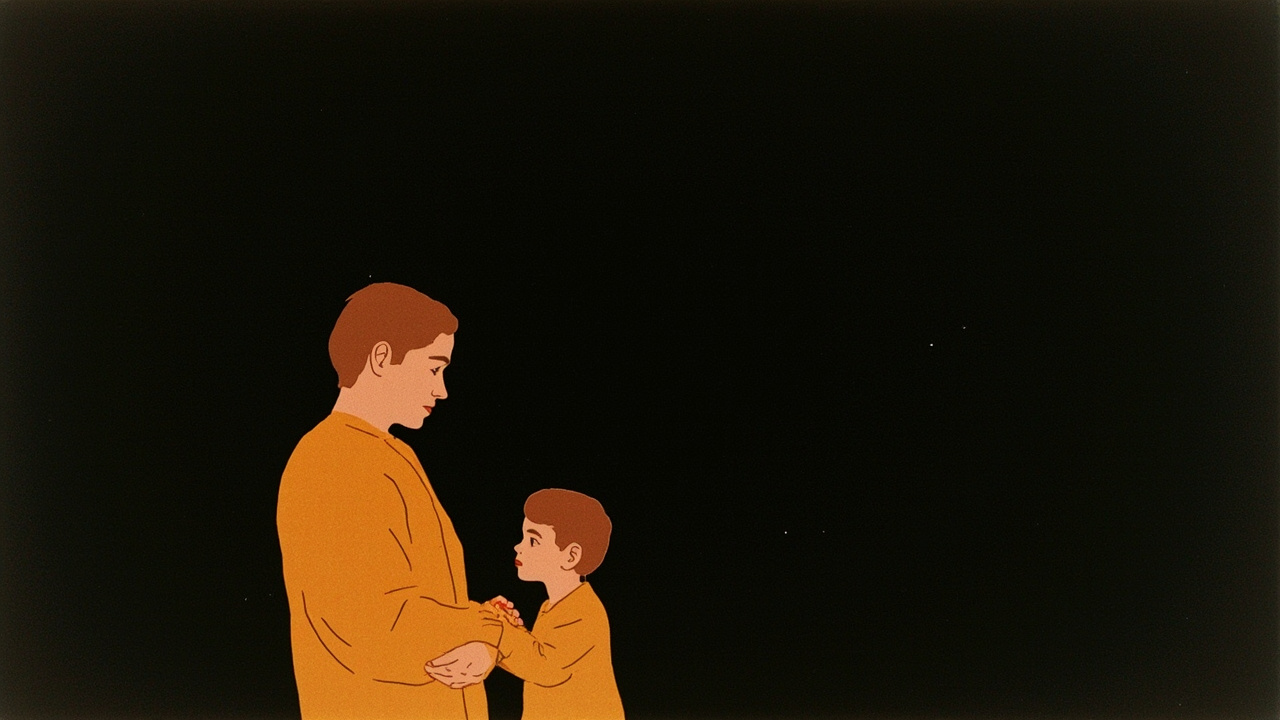
How understanding your child's Human Design can improve your parenting approach.
Human Design and Parenting: Raising Children by Their Own Design, Not Yours
The Hidden Trap of Projecting Your Design
Most parents parent from their own Human Design, and this is the first thing that quietly gets in the way. A Manifestor parent initiates and expects their child to do the same. A Generator parent waits for a gut response and wonders why their Projector child seems lazy when they don't have sustainable sacral energy. A Projector parent sees wisdom in their child and pushes them toward guiding others before their aura has developed the recognition to know who is worth guiding.
The radical shift Human Design offers to parenting is simple to say and hard to live: your child is not a smaller version of you. They are a complete, separate energetic system with their own strategy, authority, and centers. Once you see this, you cannot unsee it.
The Five Types as Children
Generator and Manifesting Generator Kids
Roughly 70% of people are Generators or Manifesting Generators, and most of them are children. Their defined sacral center means they respond before they initiate. Their gift is sustainable energy when they are doing work that lights them up. Their shadow is frustration, which physically tightens them, when they are pushed into initiation or forced into activities that don't respond in their body.
Practical guidance: Stop asking yes or no questions. Instead, watch their face and posture. If they light up, they are responding. If they contract, they are not. Resist the urge to overschedule. Let them try many things, and let the ones that don't light them up fall away naturally.
Projector Children
About 20% of the population, and a rising share of children being born today. Projectors have an open, absorbing sacral. They are here to see, to guide, to direct. Their gift is the ability to read systems, people, and potential. Their shadow is bitterness, which begins as a quiet withdrawal, when they are told what to do by people they do not recognize as knowing better.
Practical guidance: Projector children need more sleep, more unstructured time, and far less forced participation than the culture expects. They guide when they feel seen, not when they are pushed. Honor their love of solo play, their questions about how things work, and their need to be asked rather than told.
Manifestor Children
Around 9% of the population. They have a defined throat connected to a motor, and no sacral. They initiate. Their gift is the ability to start things and impact others without asking permission. Their shadow is anger, often explosive, when they feel controlled or blocked.
Practical guidance: Inform Manifestor children before you make decisions about them. They do not respond well to closed commands. Let them tell you what they are doing, even when you disagree. This is not rebellion. It is their correct strategy, and respecting it dramatically reduces the explosions.
Reflector Children
The rarest type, about 1%. They have all open centers and sample the people and environments around them. Their gift is to reflect the health of their community and to see what no one else can. Their shadow is disappointment, which feels like a quiet disappearing, when they are not given space to simply be.
Practical guidance: Reflector children need roughly a lunar cycle, about 28 days, to settle into a major change. Do not judge their behavior in a new school or home too quickly. Their moods, energy, and even opinions will shift depending on who they are with.
Working With Authority, Not Just Strategy
Strategy gets you in the door. Authority tells you which chair to sit in. With children, this matters even more, because they often lack the language to describe what their body already knows.
A sacral authority child knows yes and no in their gut. An emotional authority child needs time, often a full sleep cycle, for clarity to land. A splenic authority child knows in the moment, in their body, and that knowing fades fast if not honored quickly.
For parents, the practice is to slow down enough to let your child's authority speak. This often means tolerating their "no" even when it is inconvenient. That tolerance is the foundation of trust.
One Practice to Begin With
Tonight, ask your child one less question and watch instead. Notice where they light up. Follow that thread. You may be surprised at what you have been missing.