


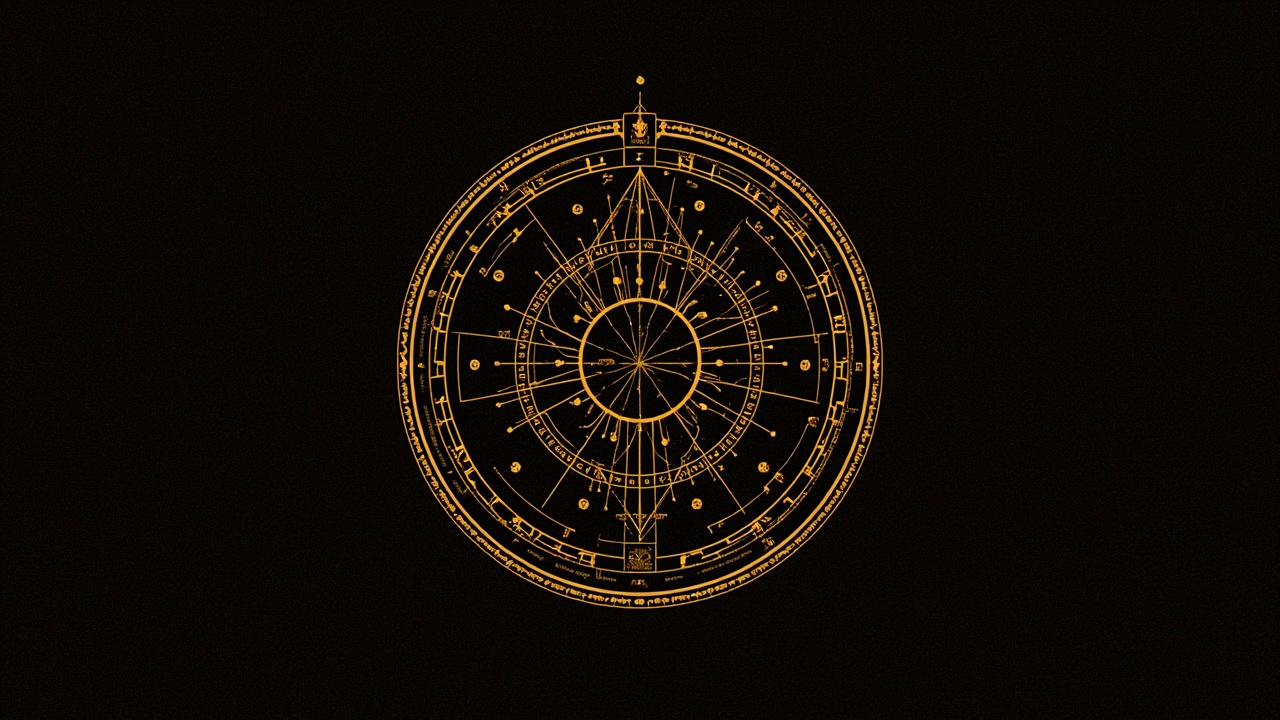
A guide to understanding your partner through Human Design.
Human Design for Couples: A Strategy for the Two of You
When two people share a bed, a calendar, a bank account, or a child, friction isn't a sign that something is broken. It's a sign that two different operating systems are trying to sync without a manual. Human Design offers that manual — not as a rulebook, but as a shared language for how each partner is actually built to move, decide, and respond.
Start with Type, Not Personality
Most couple conflict isn't about values. It's about strategy. A Generator (and Manifesting Generator) is here to respond — to life, to invitations, to the right questions. A Projector is here to wait for the invitation and be recognized. A Manifestor is here to initiate and inform. A Reflector is here to wait a lunar cycle before big decisions, sampling the health of their environment.
When a Generator pushes a Projector to "just decide," they're asking the Projector to do the very thing that exhausts them. When a Manifestor forgets to inform, the people around them feel steamrolled even if no malice is intended. Knowing the type of the person lying next to you is the difference between asking them to violate their nature and inviting them to use it.
Curious if this is in YOUR chart? Calculate your free Human Design.
Calculate your chartThe gift side: Generators bring sustainable life-force and work ethic. Projectors bring penetrating insight into the other. Manifestors bring the spark that gets things moving. Reflectors bring the mirror that shows the household its true health.
Authority Is the Real Peacekeeper
Couples fight over decisions. Human Design splits that problem in two: each person should be making decisions through their own authority — Emotional (ride the wave), Sacral (gut "uh-huh/nuh-uh"), Splenic (instant knowing in the body), Ego (willpower in the chest), Self/G (identity and direction), or Mental/G (environment and mental clarity). Reflectors go by the lunar cycle.
A common argument: one partner wants to "help" the other decide. In Design terms, that's almost always the problem. A Projector telling a Generator what their gut is saying will short-circuit the Generator's access. A Generator pressuring a Projector into a quick answer is asking them to operate from strategy, not authority. The most loving thing you can do for your partner is let them have their process — even when it looks nothing like yours.
The Centers, Open and Defined, Are Where Couples Actually Live
Defined centers are reliable. Open centers are not — they are where we amplify and sample whatever is in the room. This is critical for couples. If your partner's Throat is open and yours is defined, they will literally feel compelled to amplify what you say, and you'll feel heard. Beautiful — until the defined partner over-talks and the open partner collapses under the weight of someone's voice in their head.
Open Spleen in one partner and defined Spleen in the other: the defined one has consistent immune and instinctual awareness; the open one borrows it, then loses it when they leave. They may "only get sick" at their partner's house. Open Solar Plexus next to a defined one can mean emotional waves are misread as the partner's moods. Open G Center: identity becomes relational — "I know who I am when I'm with you" — and that can be the deepest love or the deepest trap.
The gift in all of this: open centers are where we grow. A relationship is one of the great amplifiers of that growth, for better and worse.
Profile, Definition, and the Subtle Layer
Profile (the six lines on each side) is the flavor of how a person meets the world. A 1/3 carries a deep need for a solid foundation and a hunger to discover through trial and error. A 4/6 brings an inner authority that only surfaces in trusted company. Two 5s together can be magical and slightly catastrophic — the projection field is enormous. Knowing your partner's profile is like knowing their love language, but more structural.
Definition (Single, Split, Triple Split, Quadruple Split, Bridge) describes how the nine centers hold together. In a Relationship Composite (also called Partnership Cross or PHS analysis), you can see where the two charts bond and where they don't. Those bonding channels are the relationship's "spine." The gaps are the actual lessons.
A Short Practical List
1. Pull both charts. Look at type, strategy, authority, and profile first.
2. Stop trying to "fix" the other into your strategy. Their delay, their initiation, their sampling — let it be.
3. Notice your open centers in the relationship. Where do you become someone else? That's not your partner's fault; it's your classroom.
4. Use the moon for big relationship decisions, especially for Reflectors and anyone with an open Solar Plexus.
5. Come back to the chart when the same fight recurs. There is almost always a center or channel underneath it.
Human Design won't stop two people from hurting each other. It will, however, give them a map of where the hurt tends to happen — and a strategy for the parts of love that are, very simply, mechanical.