


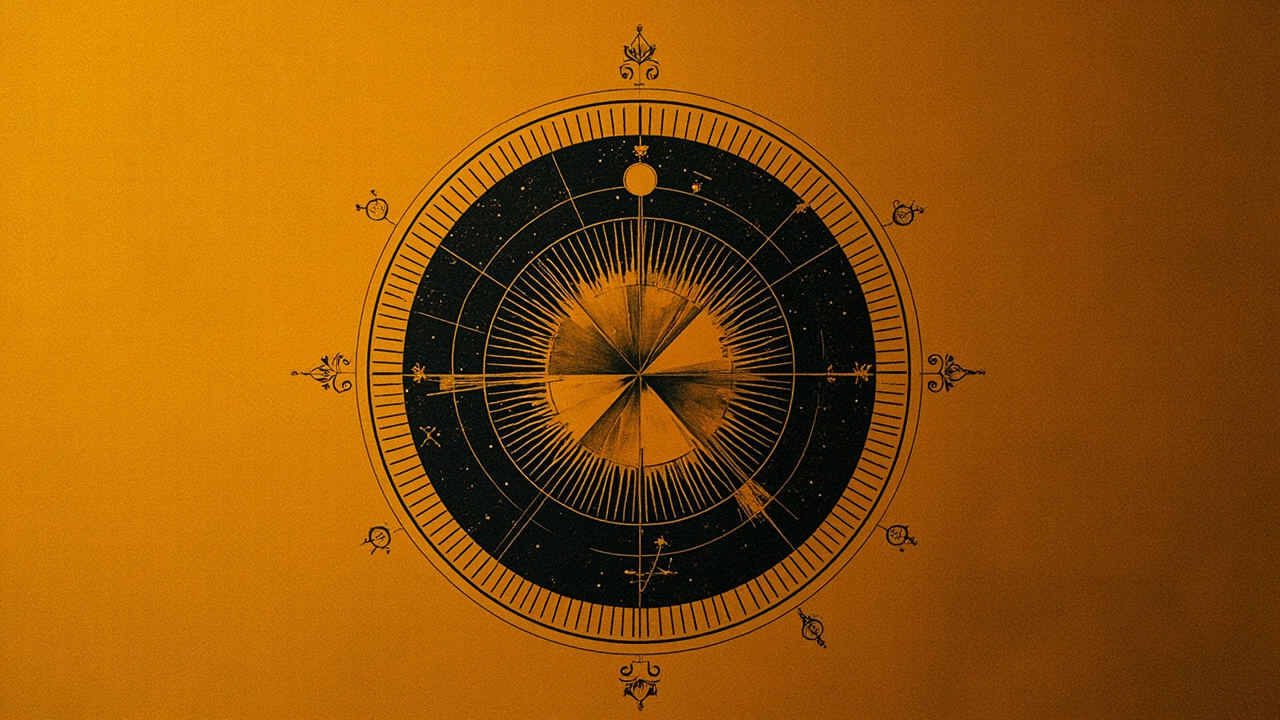
Gene Key 22 in Human Design: shadow "Dishonour", gift "Graciousness", siddhi "Grace".
Gene Key 22: Graciousness (Shadow — Dishonour, Siddhi — Grace)
The 22nd Gene Key holds one of the most socially charged transformations in the entire spectrum. It moves from the raw sting of dishonour through the elegant doorway of graciousness and opens, at its highest frequency, into the silent alchemy of Grace itself.
The Shadow of Dishonour
Dishonour is not the same as guilt. Guilt says, "I did something wrong." Dishonour says, "Something is fundamentally wrong with me." It is the pain of being seen, judged, and found wanting. The body literally contracts around this frequency — shoulders round inward, gaze drops, the nervous system tightens as if bracing for a blow.
This shadow often takes root in childhood. A child who was publicly scolded, compared unfavourably to siblings, or simply never mirrored back as worthy carries that sensation into adulthood. It then projects outward as social anxiety, awkwardness, the fear of saying the wrong thing, or — paradoxically — as defensive arrogance that pushes others away before they can reject us.
The hallmark of dishonour is the quiet inner narrator that whispers, "If they really knew me, they would look away." It is a corrosive belief that the self is somehow defective, unpresentable, unfit for belonging. Left unrecognised, it can shape entire lives: the job not applied for, the room not entered, the love not risked.
The Gift of Graciousness
When the contraction of dishonour begins to soften, something remarkable happens. The energy that was locked up in self-protection becomes available as courtesy, refinement, and warmth.
Graciousness is not politeness. Politeness is a mask; graciousness is a radiance. It is the quality of presence that makes another person feel safe, seen, and at ease without ever drawing attention to itself. People moving through the gift of Gene Key 22 develop a certain elegance of spirit. They remember names, they listen fully, they hold space without demanding the spotlight. There is a smoothness to their interactions, a way of moving through social terrain without leaving bruises.
Practically, this gift expresses as:
- The ability to admit error without collapse
- A natural courtesy that costs nothing and asks for nothing
- Sensitivity to the emotional temperature of any room
- A welcoming quality that draws others back into their own dignity
- Restraint — knowing when not to speak, not to perform, not to compete
The Siddhi of Grace
Grace is what happens when the personality finally stops trying to be worthy. Where graciousness still requires a self that is being graceful, the Siddhi of Grace dissolves the doer altogether. Life moves through the person rather than being performed by them.
This is not a moral achievement. You cannot earn Grace by being good. It arrives — often in the most ordinary moments — when the grip of the shadow releases. A meal shared with strangers. A breath taken after a long cry. The feeling of being held by something far larger than the small story of "me." In this state, dignity is no longer something that must be defended. It simply is.
Working with the Frequency
If Gene Key 22 is alive in your contemplation, here are some ways to begin moving up its spectrum:
1. Name the story. When you notice the inner contraction of shame, simply label it: "This is dishonour speaking." Naming loosens its grip more than arguing with it ever could.
2. Practice small courtesies. Hold a door. Listen without rehearsing your reply. Let graciousness be a daily verb rather than a distant ideal.
3. Visit the original wound. Without forcing a narrative, sit gently with the first memory that surfaces of feeling disgraced. The body often holds it long before the mind agrees to look.
4. Surrender the performance. Each time you notice yourself posturing to avoid judgment, soften instead. Let yourself be a little less impressive and a little more human.
5. Trust the larger current. Grace cannot be grasped. Your only job is to stop blocking it.
The teaching of the 22nd Gene Key is quietly radical: the very thing we fear most — being seen as unworthy — becomes the threshold through which we finally recognise the dignity that was never actually missing.