


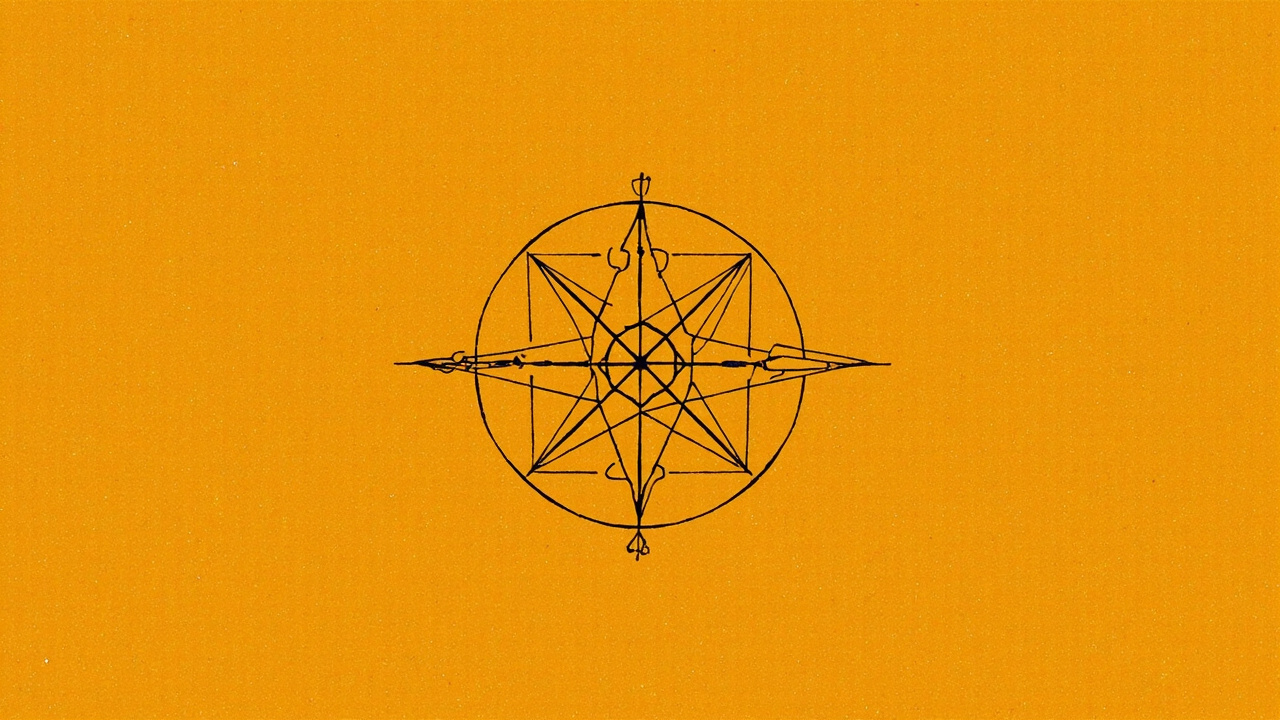
Gate 56 in Human Design — the energy of Stimulation. I Ching hexagram: The Wanderer. Biological correlation: нирки.
Gate 56: The Stimulation of the Storyteller
In the Human Design chart, Gate 56 sits in the Throat Center, carrying the I Ching hexagram of The Wanderer (Lü). This is the energy of stimulation—not a shallow buzz, but the magnetic pull of someone who has been somewhere, seen something, or knows a story you don't. The hexagram image of fire on the mountain, sparks drifting outward into a cold night, is precise: Gate 56 is a spark launched from experience, searching for the dry kindling of a curious mind.
The Gift of Stimulation
At its best, Gate 56 is a generous, contagious energy. People with this gate defined have a way of making the ordinary feel alive. They don't just recount what happened to them—they re-inhabit it. The room leans in. Time feels slightly altered. Their words don't merely describe; they transmit a quality of experience that lands directly in the listener's nervous system.
This is the storyteller's gift: the ability to take a person, a place, a moment, or an idea and render it in a way that stimulates the listener's own inner life. The hexagram The Wanderer reminds us that Gate 56 is rarely interested in staying put in meaning. It is interested in the crossing—the threshold, the in-between space where something new can be discovered and shared. The 56th gate is the channel through which experience becomes communication, and through which the mind of the listener is gently (or not so gently) cracked open.
The Shadow: When Stimulation Becomes Restlessness
Every gift carries a price, and Gate 56's shadow is well known: an addictive relationship with being stimulated. When this energy operates in not-self, it shows up as:
- Gossip that thrives on other people's drama
- Constant scanning for the next interesting thing
- Speaking to fill silence rather than to share meaning
- A subtle addiction to chaos, novelty, or crisis
- Storytellers who mistake stimulation for depth
The shadow of Gate 56 rests on a simple misconception—that more stimulation equals more life. In truth, the gate is a channel. When it operates without a clear source, it scavenges. It will borrow other people's stories, magnify their drama, and broadcast them outward—not necessarily to harm, but because the juice of stimulation needs to keep flowing.
The Channel: 31–56, Transitoriness
Gate 56 only finds its full expression through its partner, Gate 31 in the Ajna Center. Together they form the 31–56 Channel of Transitoriness, sometimes called the Channel of the Alpha—the leading wave of the Knowing Circuit. Gate 31 contributes the logical, conceptual framework; Gate 56 contributes the voice, the embodiment, the spark that ignites the idea in the world.
Without Gate 31, Gate 56 floats—it can be charming but ungrounded, a beautiful voice without a thesis. Without Gate 56, Gate 31 spins silently in its own head. Together, they are the prototype of inspiring communication: thinking that actually moves people.
This is also why Gate 56 is a knowing gate rather than a thinking gate. It does not argue. It stimulates. The knowing arrives through the lived, the tasted, the encountered—and only then does the mouth open.
Living with Gate 56
Practical guidance for those carrying this gate:
1. Honor the cycle. Not every moment is a story moment. When nothing is alive inside you, don't perform aliveness. Let silence restore the source.
2. Tune the antenna toward your own life. The most magnetic stimulation comes from genuine experience, not from secondhand drama.